Curriculum Intent
At Shoreditch Park Primary School, music teaching helps to develop creativity, imagination, good listening skills and collaboration whilst also giving our children the opportunity and ability to express themselves artistically and personally.
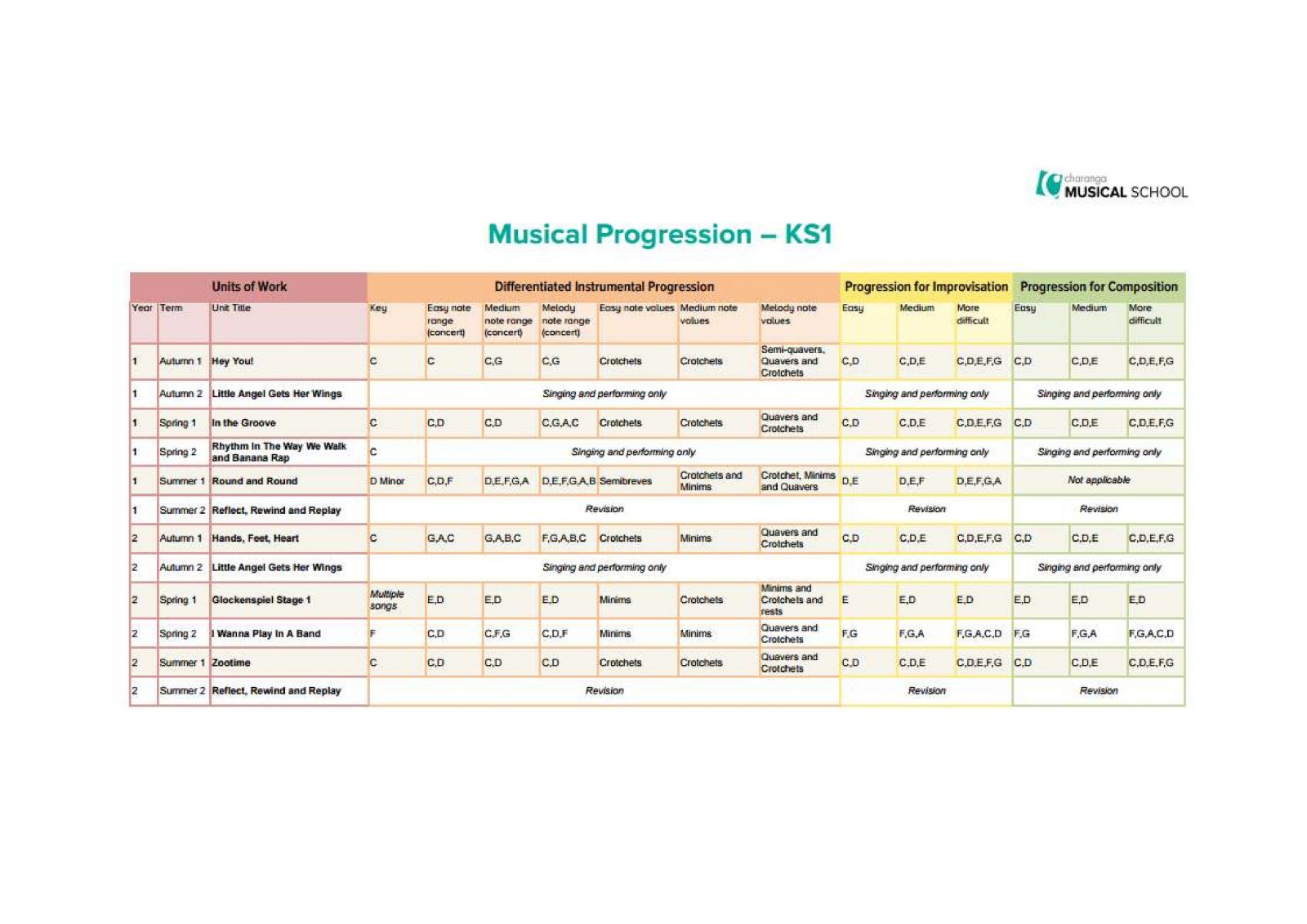
Our music curriculum is based on the Charanga Musical School scheme of work which facilitates and encourages an exploration of music by both the teacher and child. Through Charanga the interrelated dimensions of music are explored through; listening and appraising, games, singing, playing instruments, improvising, composing and performing. Every year groups’ musical learning is supported through the use of glockenspiels.
Curriculum Implementation
Music is a universal language that embodies one of the highest forms of creativity. A high quality music education should engage and inspire pupils to develop a love of music and their talent as musicians, and so increase their self-confidence, creativity and sense of achievement. As pupils progress, they should develop a critical engagement with music, allowing them to compose, and to listen with discrimination to the best in the musical canon.
Through the Musical School programme, the children develop their understanding, make musical judgements, apply their new learning, develop their aural memory, express themselves physically, emotionally and through discussion and create their own musical ideas.
The children not only learn about music; they become musicians who are able to share and perform using their new skills.
The Units of Work are divided into 6 steps, which are spread across a half term. The activities and games cover the musical dimensions, (formerly elements – pulse, rhythm, pitch etc.) through singing and playing instruments, listening and creating music – all intrinsically linked through a central song or piece.
Music Curriculum Impact
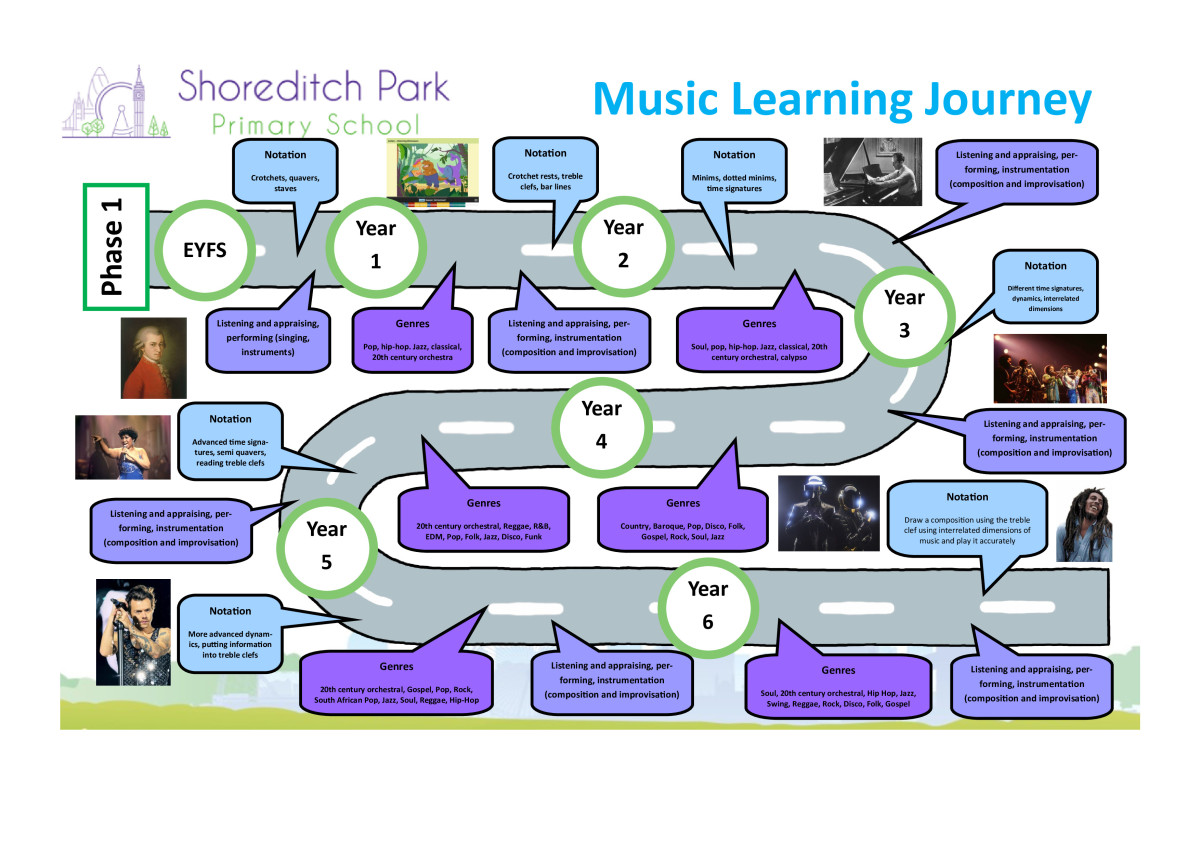
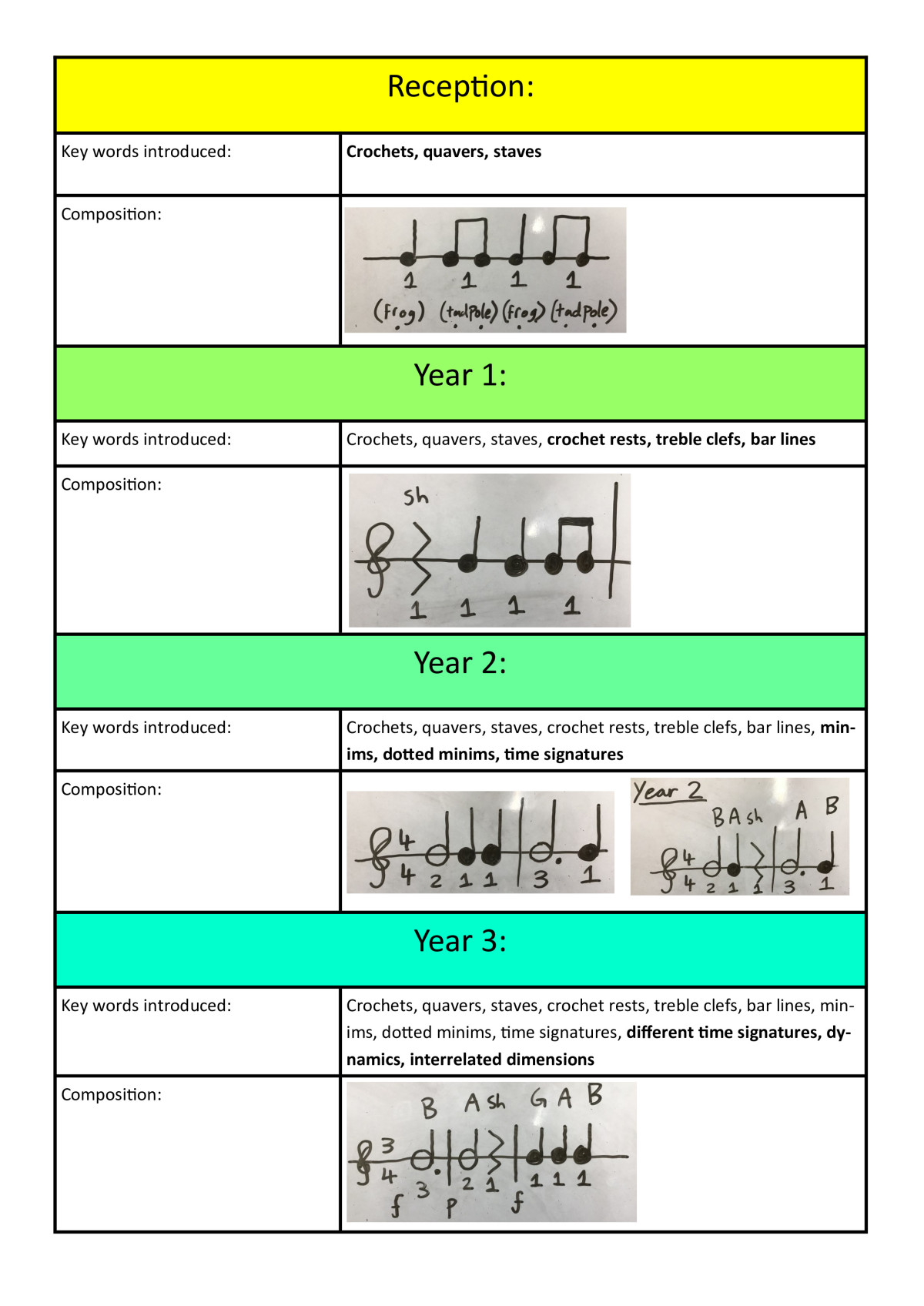
Our music Curriculum is planned to demonstrate progression and build on and embed current skills.
We focus on progression of knowledge and skills in the different musical components and teaching of vocabulary also forms part of the Charanga units of work.
Music develops an understanding of genre, culture and history, both in relation to children individually, as well as ethnicities from across the world. Children enjoy music as a listener, creator and performer.
We measure the impact of our curriculum through the following methods:
- Video evidence of the pupils practical learning
- Use of the assessment tools provided within the Charanga scheme
The impact of our music curriculum is also measured in the uptake of our music after school clubs (choir) and uptake of additional music 1:1 tuition (violin and drumming).